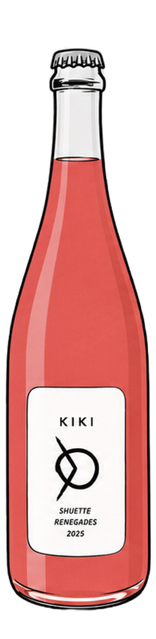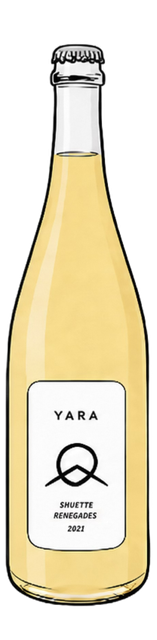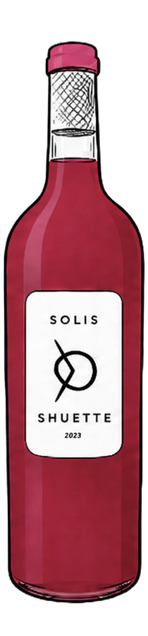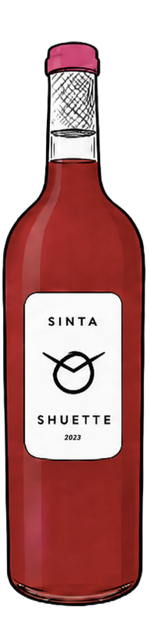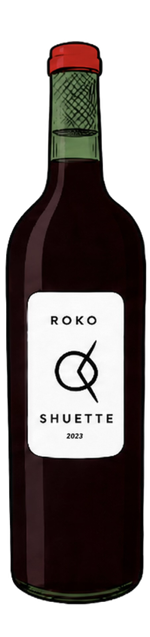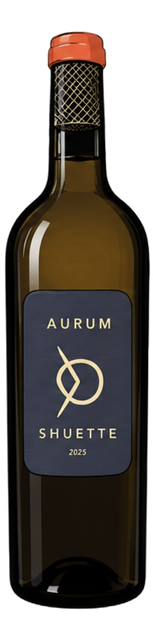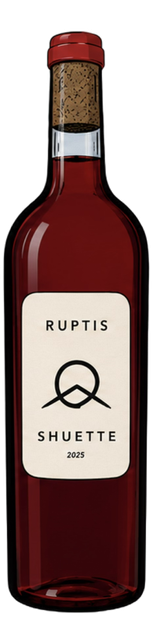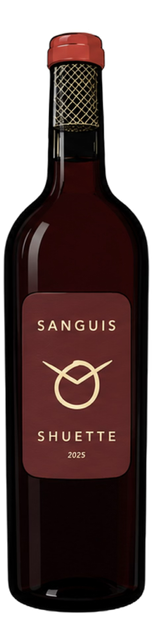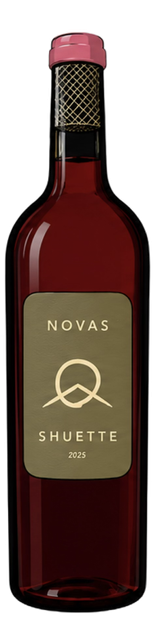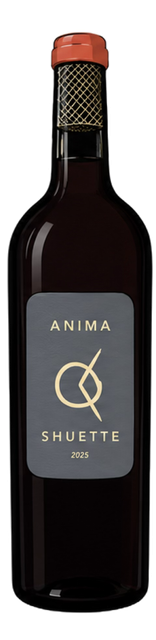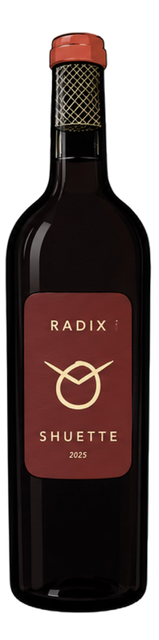
Shuette · Estate wines
Our mission is to ask
“What would you make today if the AOC never existed?”
Freeing ourselves of expectations, regulations and boundaries to focus on modern vineyard management, winemaking techniques and drinking.
01 / About us
A new path for Bordeaux.
“My hope is that instead of making an imitation of the AOC’s vision, we can forge a new path and add to the repertoire of the region.”
Occasionally we will create a wine that can be compared to a traditional Bordeaux but this decision is motivated by our love of the style and the fruit we harvested, not by our location.
My hope is that instead of making an imitation of the AOC’s vision, we can forge a new path and add to the repertoire of the region.
We took two years to find the location for Shuette. My wife and I searched all over Europe for the perfect spot. Our search was never about a country, region, or style. We wanted an estate with a working, healthy organic/biodynamic vineyard, with space to enrich the environment through regenerative farming practices.
France is one of the few places where you can still get fantastic terroir with attached farmland. Usually, great grape-growing areas have been totally consumed by monoculture vineyards. We selected the vineyard because of its attributes, not for the country, region, or classical wine styles.
Shuette is in Entre-Deux-Mers, Bordeaux, and the vineyard is in one block, directly backing onto the Dordogne River. Its 40-year-old vines have always been organic and cared for by hand (something extremely rare in Bordeaux, where barely 12% of vineyards are organic today). The wide and deep tidal river is responsible for both the fertile clay and mineral schist soil, but also the significant diurnal temperature change we experience. In summer, our vines are cooled by morning fog, extending our growing season for better maturity and acidity.
At Shuette we follow regenerative farming principles that encompass organic farming with biodynamic practices, agroforestry, wildlife preservation, and diversification. For example, we have over 350 fruit trees planted through and around the vineyard, each with its own bird box and wild border, integrating diversity into our land.

02 / Winemaking
Zero-Zero Natural wine.
We never select a cuvée before our maturity tests start in August. For me, it’s not until you see the colour, smell the aromas, and taste the juice that you can say what that plot should become. In this way, we adapt the style of wine to the produce rather than trying to force it to be something else.
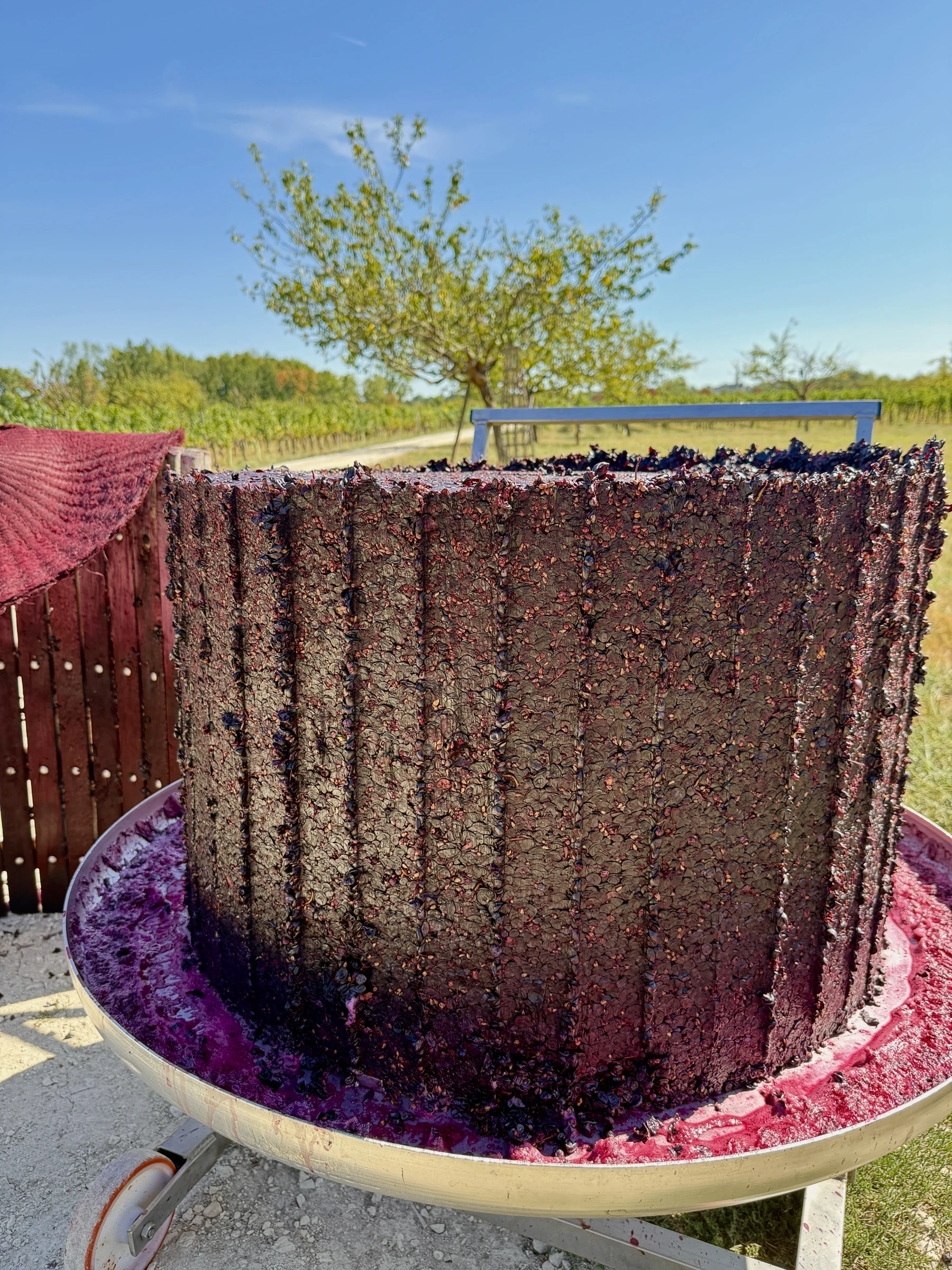
In general, we only use the free-run juice for our wine and employ no mechanical pressing. (The pressed juice - about 20% - is used to produce brandy for other projects like our Ume Shu.) We use techniques such as maceration time, oxidation, lees contact, and flor aging to support the natural fruit-forward flavour of our wines.
This creates a range of lighter, brighter, fruit-forward wines that are unusual for the region. For example Solis is a lightly sparkling rosé that is made by de-stemming Merlot grapes and allowing the weight of the berries to press themselves.
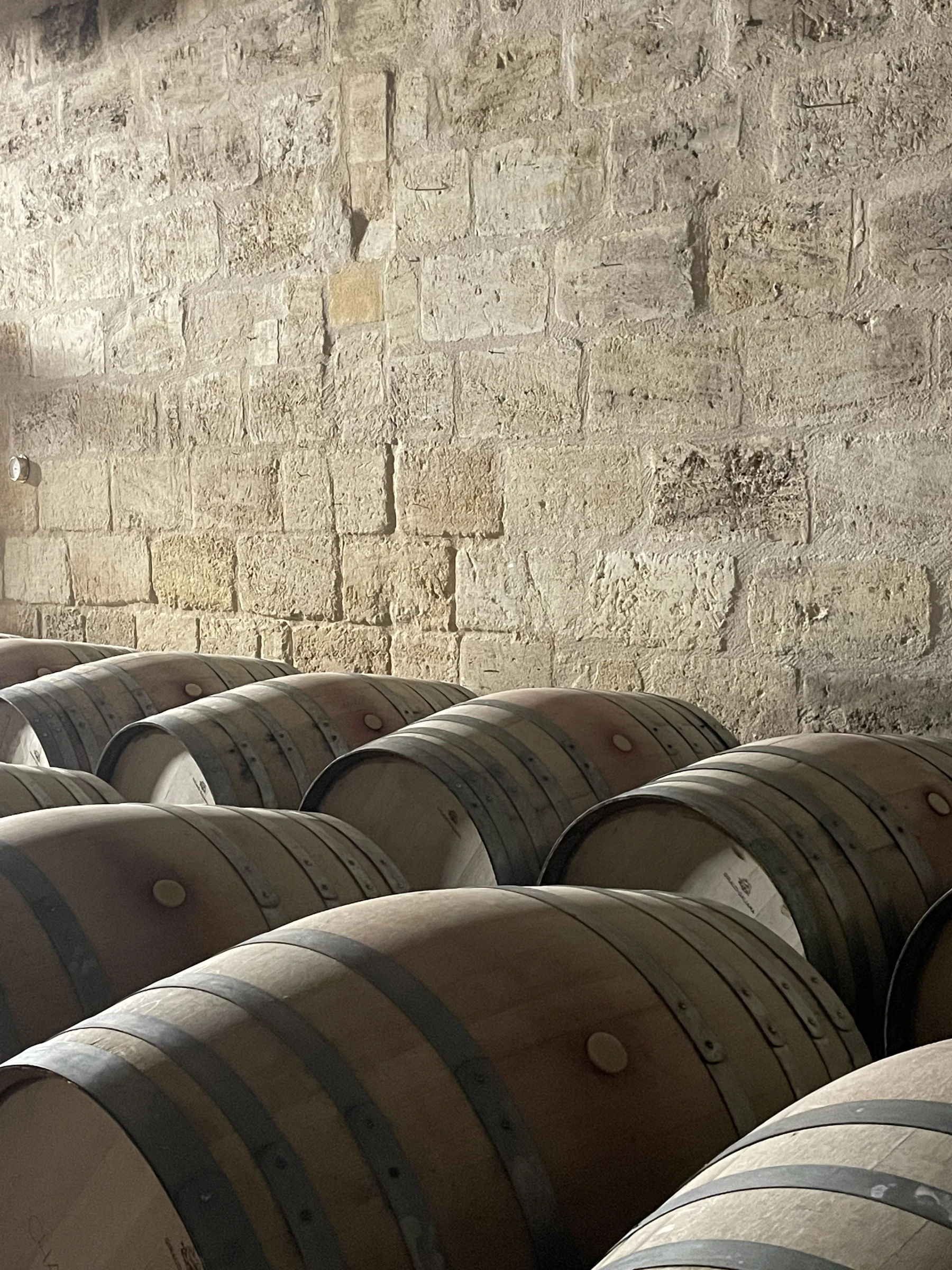
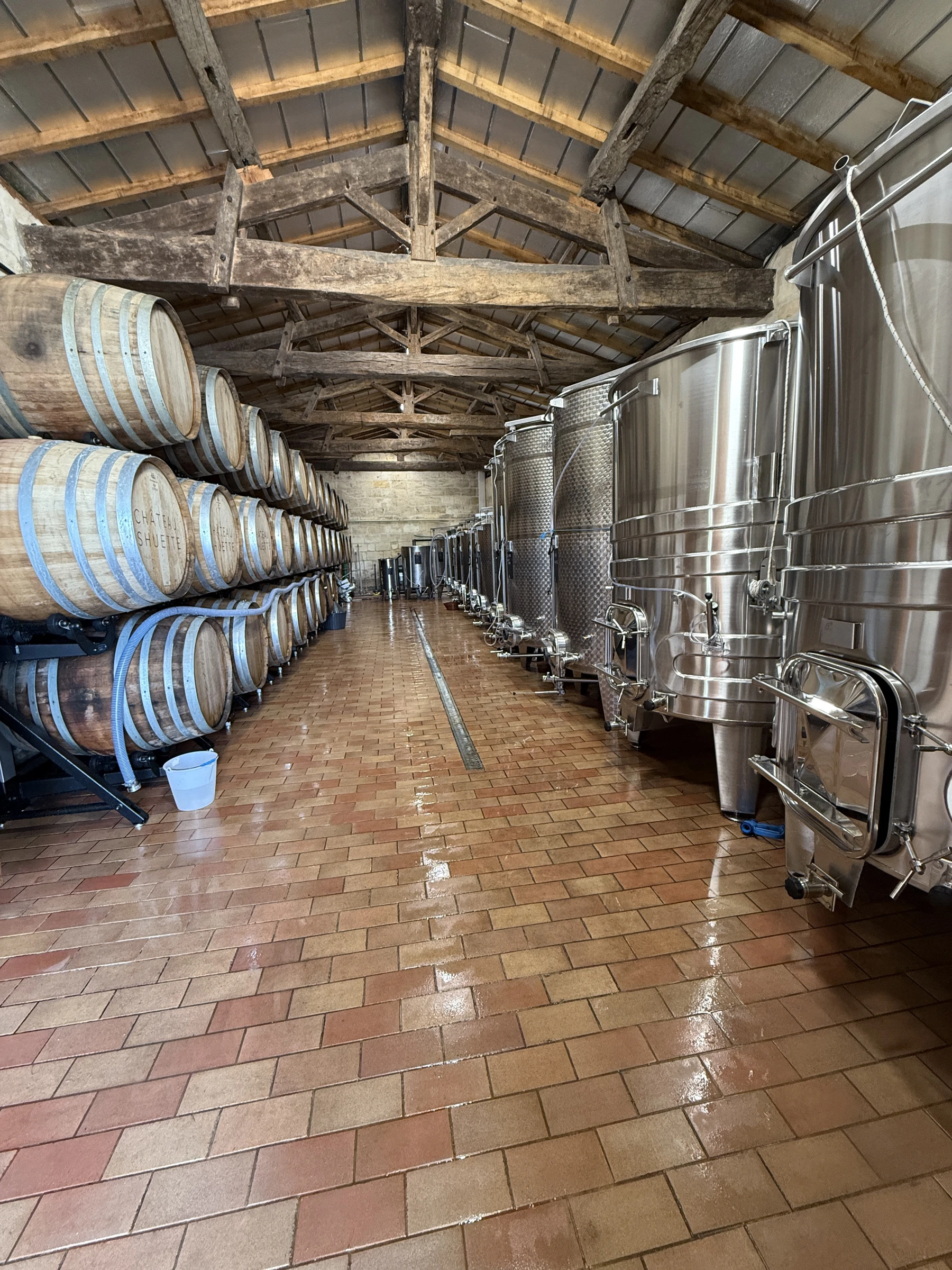
In the cellar, we use a mixture of 500L neutral oak barrels, concrete tanks, and stainless steel to ferment and age the wines. We’ve always made natural wine, but our wines up to the 2023 vintage had sulphite additions below 15 mg/L. From the 2024 vintage onward, we add no sulphites, and our wines are not filtered.
I prefer longer aging than is usual for each given style and often will leave the lees in contact with the wine for the duration of the aging process.
03 / The land
The farm. The river. The fruit.
Our total wine production is 75,000 bottles per year: 15,000 estate wines from our 5.5 hectares of vines beside the Dordogne River, and 60,000 bottles of Renegades made with fruit from independent organic growers. Alongside the wines, the Atelier produces 300 bottles of cider.
At Shuette we have a wide selection of classic Bordeaux grape varietals including Merlot, Cabernet Sauvignon, Cabernet Franc, Cabernet Noir, Petit Verdot, Sauvignon Blanc and Sémillon that have been organically cultivated for 30 years.
We have also recently planted Malbec, as well as Chenin Blanc and Souvignier Gris, a disease resistant PIWI varietal.
Shuette is just 25 minutes away from central Bordeaux. Located on the banks of the Dordogne River.
A massive river that makes us what we are. Over thousands of years, the river has created a soil rich with clay and mineral schist, making the perfect foundation for growing crops. Today, the Dordogne still provides us with frost protection, a cooling breeze, summer morning fog and significant diurnal temperature changes.
A living system
More than vines.
Our farm is 12 ha in total. Throughout and around the whole farm and vineyard we have well over 350 fruit trees and nearly 280 bird, bat and owl boxes.
We leave at least 3 metres of wild hedgerow and borders to ensure wild animals have a stable habitat. To help ensure our larger wild visitors feel welcome we have built a wildlife corridor through the vineyard that is regularly used by deer, wild boar and rabbits.
Our inter-row planting (between the vines) is just as important, with a careful mix of nitrogen-fixing, flowering and deep rooted plants selected for the best possible ecological value.