Winter
Repair.
It's time to repair and replenish the farm. We mend trellis, plant seeds, prune trees and clean.
The estate wines · Saint-Loubès, Bordeaux
Wines from the land we tend beside the Dordogne River. Shaped by the season, made with care and passion.
HONEST WINE
For me, natural wine is about honesty. Capturing a moment and flavour that cannot be reproduced.
I’ve had a varied background that, looking back, has been leading me towards winemaking for a long time.
Growing up, I spent all my spare time working as a chef in some great restaurants. I learned that without quality ingredients, you can’t make anything great. When you have them, your job is simply to help them shine.
At university, I studied biomedical science and developed a love of the scientific mindset: collaborative exploration, presenting ideas and being open to being proved wrong. It is the pursuit of truth.
For most of my working life, I worked for news organisations that pride themselves on quality journalism. I valued helping people access the truth.
Today, I see making natural wine as an extension of that.
We live in a world where most supermarket limes are not vegan, the average apple sold is over 14 months old, and over 80% of the foods bought in US supermarkets are ultra-processed.
We need more people to say “enough is enough” and stand up for honest, transparent, low-intervention food and drink. In our small way, Shuette commits to these values and aims to make delicious, unique and honest wine.
WINE FOR OUR FUTURE
A victim of its own success. Bordeaux has been stuck making the same wine for too long. It's time to evolve.
We focus on three main areas in the way we work.
Climate change: We operate as a regenerative vineyard and farm incorporating new grape varieties that are great for our hotter summers and PiWi varietals that are resistant to disease.
Technique: We are able to learn from amazing winemakers around the world and incorporate ideas and styles that could enhance the way we grow and make our wines.
Taste: We don't need high tannins and unbalanced oak and that's not what people want. We make wines with more purity and focus without giving up texture, finesse and ageing potential.
A HOLISTIC PHILOSOPHY
It's not a vineyard, it's an ecosystem.
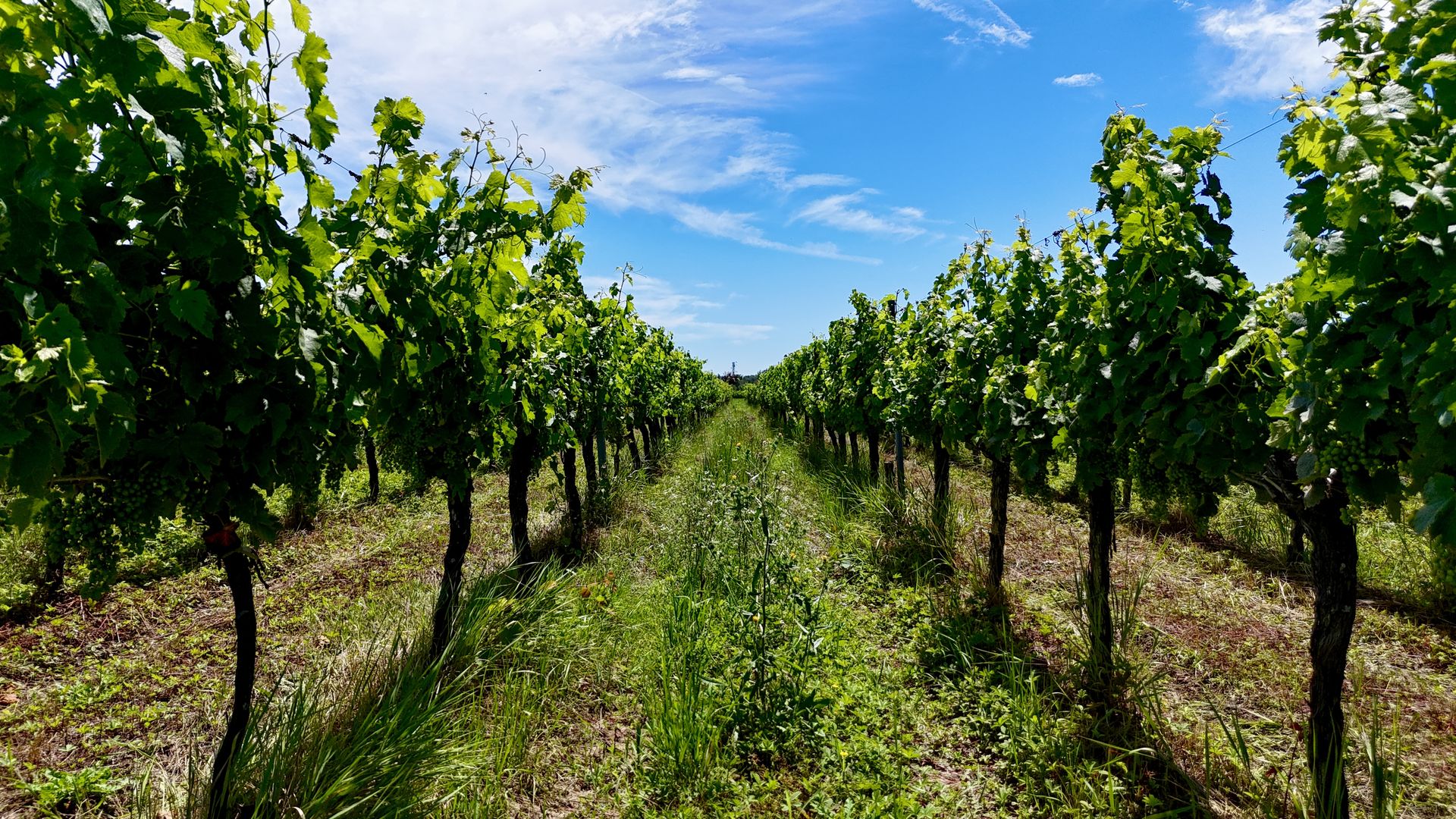
Our regenerative approach builds on four decades of organic farming. Fruit trees, wild borders, bees and bird habitats sit alongside the vines. They are part of the landscape we care for throughout the year.
Most of the work throughout the year does not directly touch the vines. It's to build the ecosystem around them. We strive to ensure we leave the land in better condition every year.
Harvest is the culmination of that effort.
Meet the farm and its people →Winter
It's time to repair and replenish the farm. We mend trellis, plant seeds, prune trees and clean.
Spring
With warmer days we focus on growth. Adding new plants diversifying our ecosystem and our systems.
SUMMER
Fast paced and action packed. We start to see the fruits of our labour and run to keep up with the changes.
AUTUMN
Harvest is done and we are in the cellar guiding the wines to realise their potential.
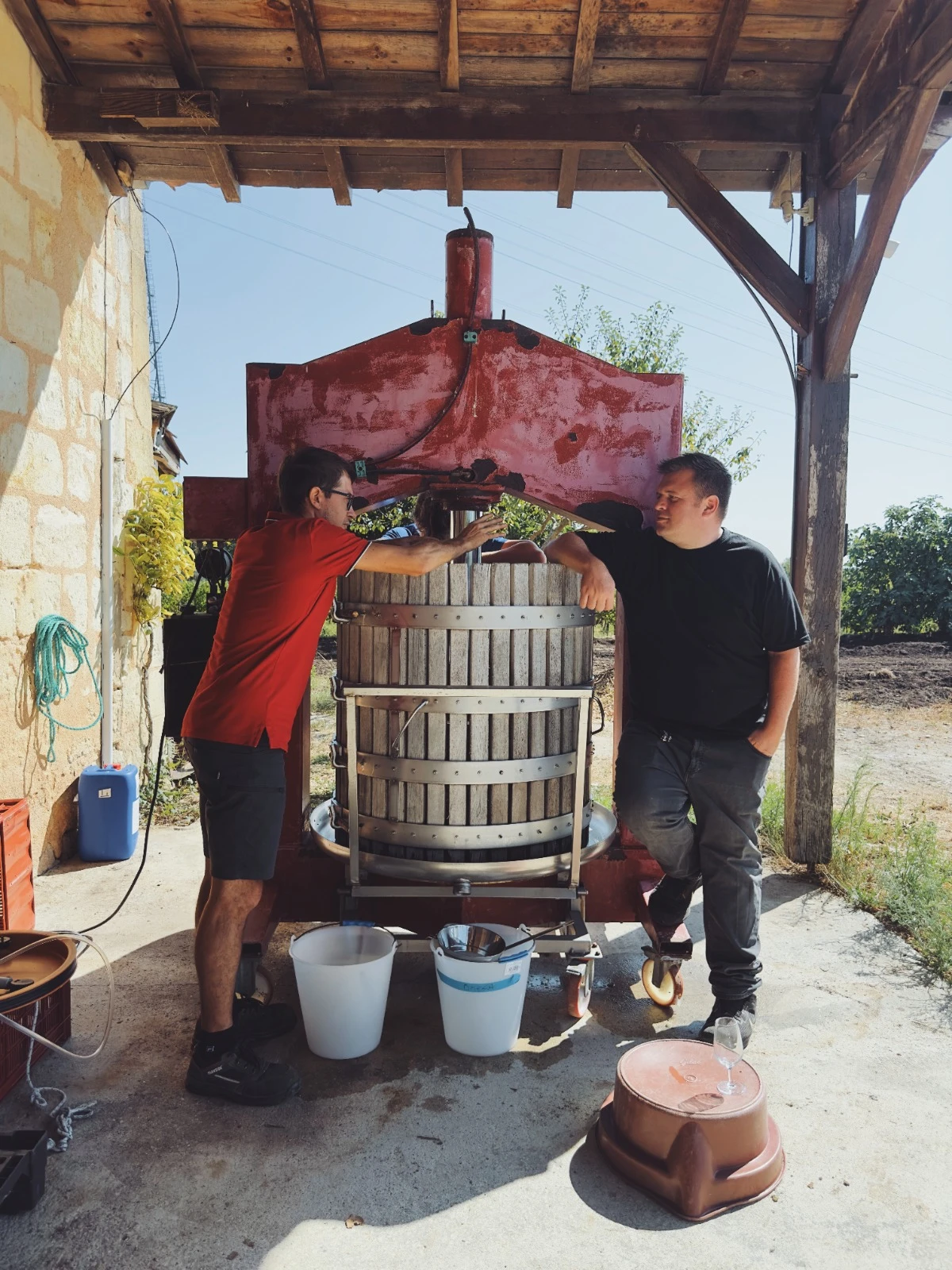
HOW WE MAKE WINE
Nothing added but time.
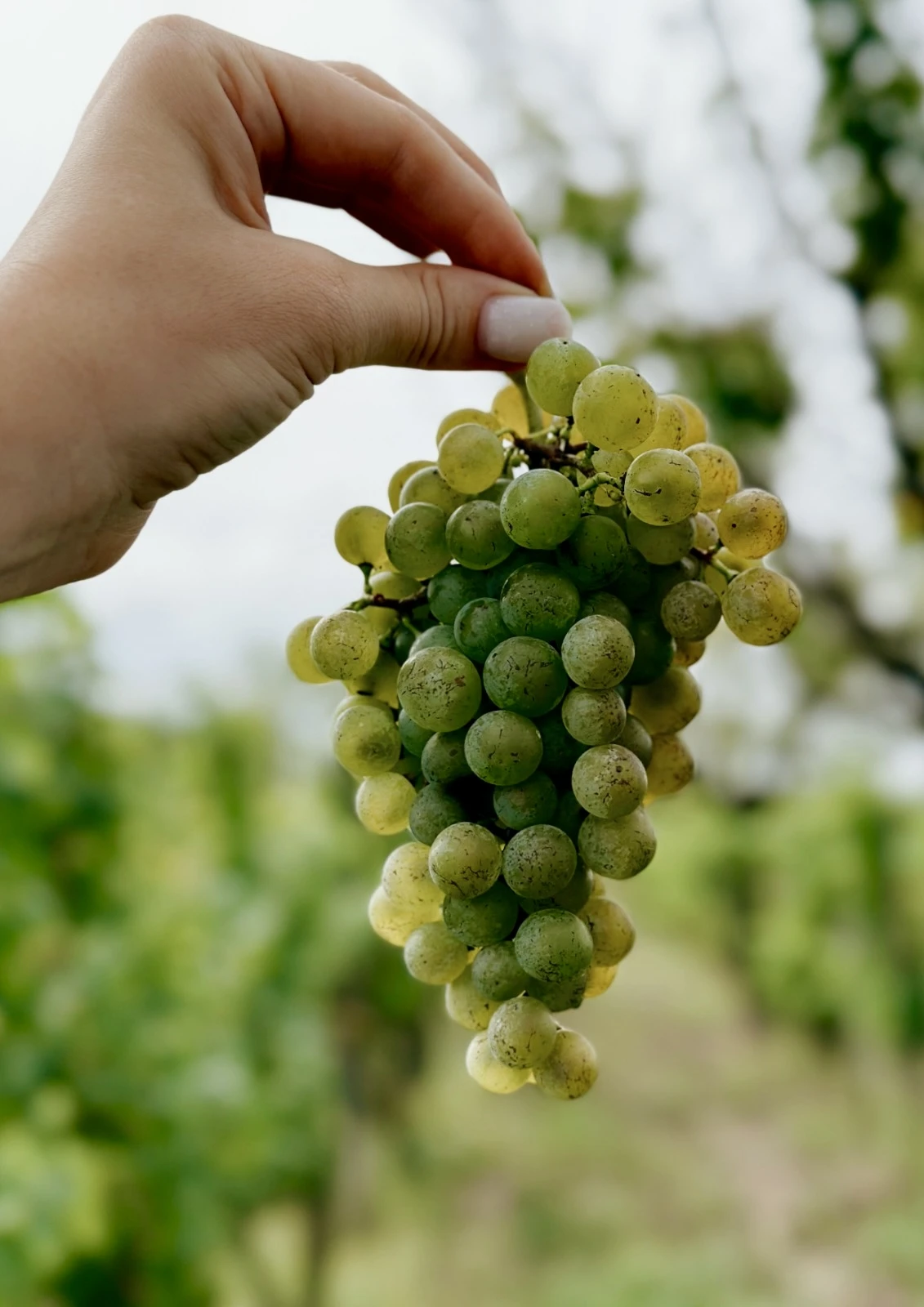
We start maturity checks (looking for acidity, colour and aromatic ripeness) about four weeks before harvest. It's only then that we start to consider what wines we will make.
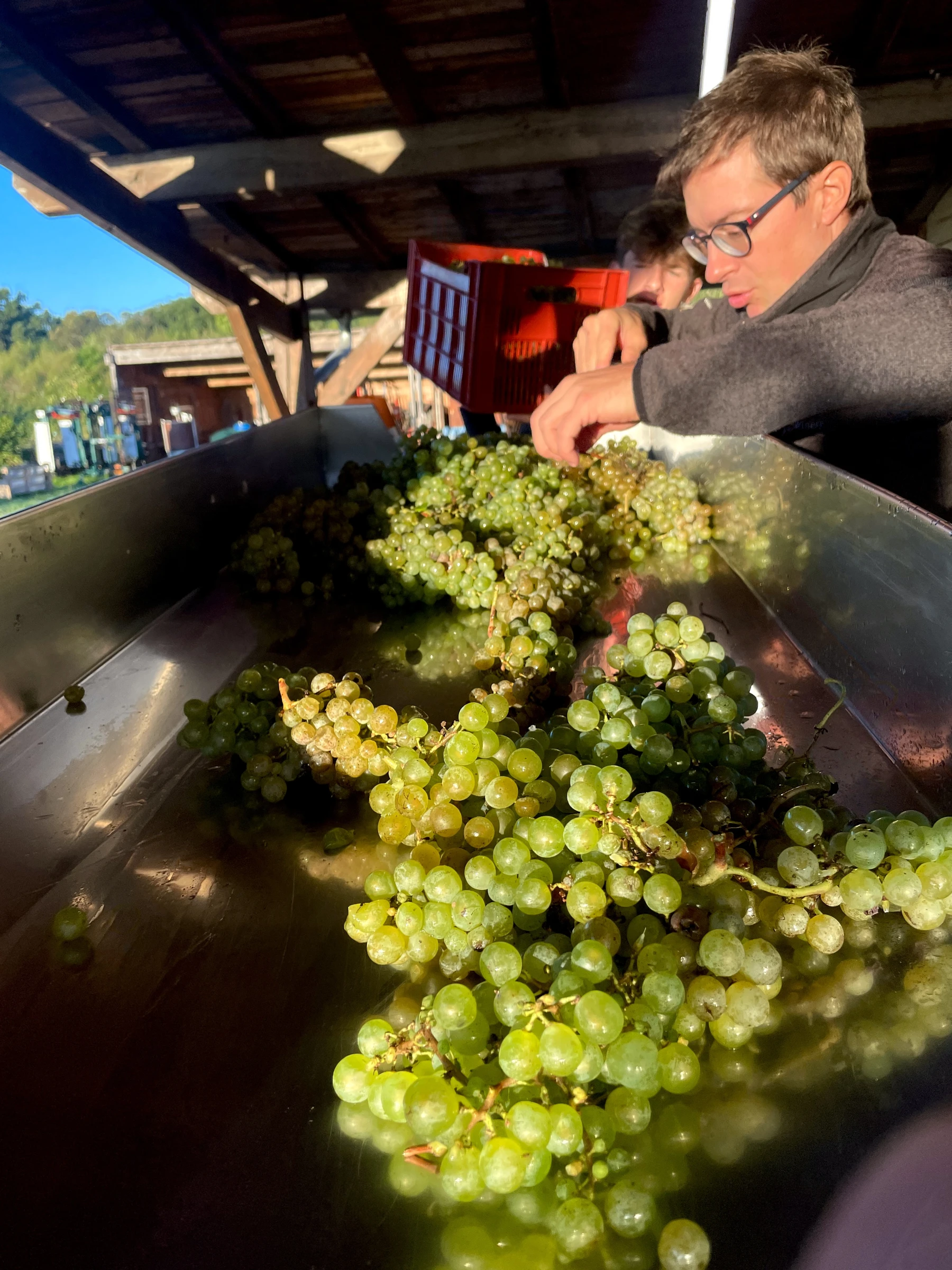
At harvest we adapt our process to enhance the potential of the grapes. In general we prefer not to mechanically press the grapes to only extract the ripest juice.
We allow spontaneous fermentation to take over and work its magic and allow the wine’s potential to reveal itself.
It's only then we start to work to shape the wine through bâtonnage, racking and aging techniques.
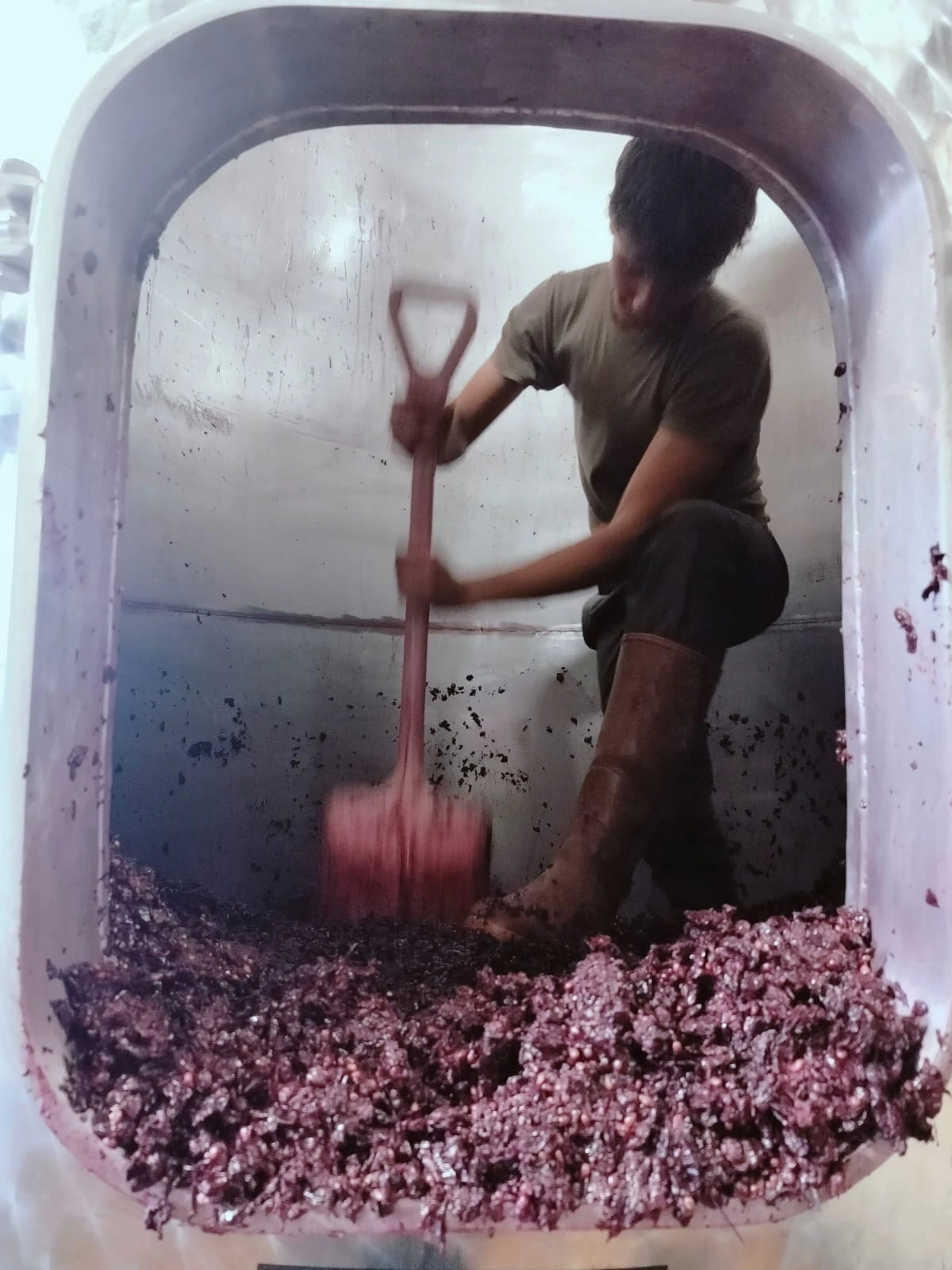
01 / Sanguis 2023
Low yields gave us ripe, concentrated fruit. Just twenty-four hours on the skins coloured the free-run juice before we moved it away from them.
In the glass: dark forest fruit and spice, with a lighter touch.
02 / Aurum 2023
Sémillon spent four days on its skins before meeting Sauvignon Blanc fermented as juice. Lees stirring and nine months in steel gave the blend time to develop.
In the glass: apricot, dried fruit, texture and grip.
03 / Anima 2020
A demanding season produced fruit suited to a more classical blend. Eighteen months in barrels, with thirty per cent new oak, helped shape its depth.
In the glass: black fruit, olive and spice around firm tannins.
Our approach keeps evolving. Since 2024, we work zero/zero: spontaneous fermentation, no added sulphites, no fining and no filtration. Each wine has its own story.
SHARED QUALITIES FOR DIFFERENT SITUATIONS
From our own vineyards, focused on character of each harvest. Small releases shaped individually in the cellar.
From bright, expressive clarets to textured orange wine and structured reds, the collection explores one place in depth.
These wines are perfect to enjoy with food.
Organic grapes from independent Bordeaux growers, made into bright, energetic wines at Shuette. Renegades helps celebrate and support the best artisanal growers in Bordeaux.
From the vineyard to the table
Different seasons, grapes and decisions. Meet the current estate releases, then open their stories to discover the making and a few ideas for the table.
Orange · 2023
Apricot, dried fruit and a generous texture. Sauvignon Blanc and Sémillon, brought together through two different approaches to fermentation.
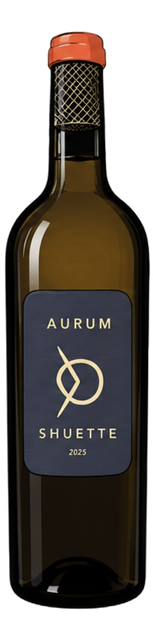
Mildew took much of the 2023 crop. The fruit that survived ripened quickly in the heat, giving us the full flavours that make Aurum so generous. We foot-crushed the berries, fermented the Sauvignon Blanc as juice and gave the Sémillon four days on its skins before bringing the two together.
Two weeks of lees stirring and nine months in steel built texture around the apricot and dried-fruit character. Skin contact gives the wine enough grip to belong at the table.
Serve at 8–14°C with a robust summer salad. Let it warm a little in the glass to bring out the fruit and texture.
Light red · 2024
A bright, spicy expression of Merlot. Whole-bunch fermentation gives this wet vintage freshness and aromatic lift.
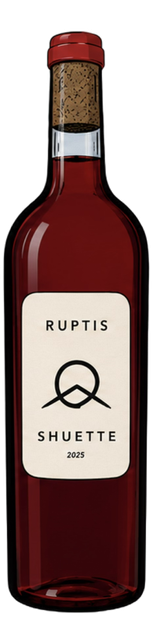
Rain pushed the 2024 harvest back by four weeks. When the Merlot finally arrived, its bright fruit and spice suggested a lighter expression. We left whole bunches to ferment without oxygen for twenty days, then pressed slowly over eight hours.
The result has the freshness and aromatic lift of semi-carbonic winemaking, with enough definition to remain unmistakably Merlot. Ruptis captures a season that rewarded patience.
Give it a light chill, around 8–14°C. Open it on its own, with modern European cooking, or alongside a spicy stir-fry.
Claret · 2023
Dark forest fruit, pepper and orange peel. Concentrated Cabernet Sauvignon and Petit Verdot, handled with a deliberately light touch.
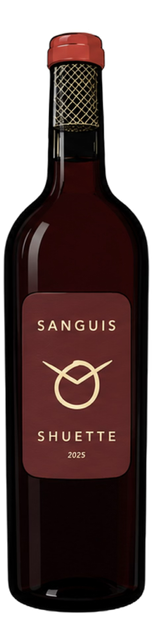
Low yields in 2023 gave us ripe, concentrated fruit. We wanted to keep that richness without building a heavy wine. Just twenty-four hours of maceration coloured the free-run juice ruby red before we moved it off the skins.
Three rackings through fermentation and maturation kept the expression clear: dark forest fruit, pepper and a little orange peel. Temperature changes its character as much as the food beside it.
Try it slightly chilled with grilled pork for a fresher, leaner glass. Let it come towards room temperature with a rich pasta dish for a rounder expression.
Claret · 2023
Strawberry and cherry, gentle tannins and a little natural grape sweetness. A Cabernet Noir that took an unexpected direction.
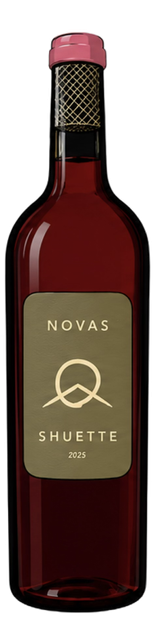
We set out to make a dry claret in 2023. Fermentation stopped with 16.5 grams of natural grape sugar per litre still in the wine, and Novas took a different direction. The result was too interesting to force back into the original plan.
A short, twenty-four-hour maceration kept tannins gentle; bright acidity balances the generous strawberry and cherry fruit. This small release is a reminder that listening in the cellar can be more rewarding than insisting.
Pour it lightly chilled with spicy food or aged cheese. Its fruit and freshness also make an intriguing match for game or rich offal dishes.
Red · 2020
Black fruit, olive and warm spice. A classical Bordeaux blend with firm structure, fresh acidity and eighteen months in barrel.
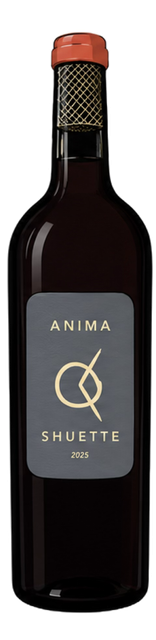
Early budbreak, rain until June and then a dry stretch until September made 2020 a demanding year. The season came together at the end, giving us the concentration for a more classical expression of the estate.
Fermentation on the skins was followed by eighteen months in barrels, with thirty per cent new oak. Black fruit, olive and warm spice sit around firm tannins and fresh acidity. Anima is one of the wines we make when the fruit asks for time.
Allow it to breathe before serving at room temperature. Try it with a slow-cooked dish or roasted mushrooms, giving the tannins something savoury to work with.
Red · 2020
Plum, dark cherry and black pepper. Merlot-led depth shaped by eighteen months in large, new oak barrels.
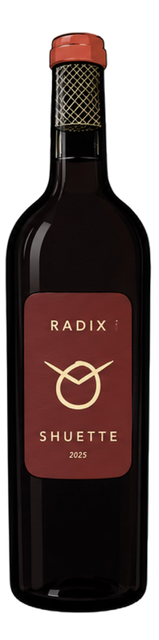
Radix shares Anima’s hard-fought 2020 season, but follows a different path in the cellar. Merlot makes up ninety per cent of the blend, with Petit Verdot adding its own structure and spice.
After fermentation on the skins, the wine spent eighteen months in new five-hundred-litre oak barrels. Ripe plum and dark cherry meet black pepper, dried leaves and a touch of roasted coffee. The larger barrels gave this concentrated fruit space to develop.
Open ahead of dinner and let it breathe. Serve at room temperature; a roast or a deeply savoury vegetable dish is a good place to start.
Come a little closer
Walk the vines, visit the cellar and taste the wines where they begin. Or explore the current releases and bring a little of the estate home.